

Pregnancy and postpartum guidance
Nutrient needs change through pregnancy and while breastfeeding. Sessions cover meals you already cook, plus what to keep an eye on while your appetite and routine shift.

Online nutrition consultation
You want to eat better, but generic advice rarely fits an Indonesian kitchen, a Jakarta commute, or a 7 a.m. school run. NutriGuide Indonesia connects you with an ahli gizi and registered dietitian team through an online booking flow, so the first step is a structured intake form rather than a sales call.
Start your intake formThe intake form asks about your usual meals, cooking method, activity pattern, sleep, medical history you choose to share, and the goal you care about. It is the difference between advice built for you and a PDF someone else downloaded. Indonesian staples matter here: rice portions, tempeh and tofu, sambal, coconut milk dishes, warung lunches, and sweet iced drinks all get named rather than ignored.
When you submit the form, the team reads it before your session so the first conversation starts at your real week, not at zero. That preparation is why a 45-minute session can end with a plan you can shop for the same evening.
What the form asks
Sessions run online by video call or chat, which suits people in Yogyakarta, Surabaya, or Bali who would rather not travel to a clinic. Format is your call, not ours.
Face-to-face by screen with your dietitian, notes open beside them. Best when you want to walk through meals and measurements in one sitting.
Written back-and-forth over a set window. Useful if you plan meals late at night or when a video slot does not fit your shift.
A channel many Indonesia-facing nutrition services already use. Ask a preliminary question fastest here, then complete the form so the dietitian has your week in writing.
Short reviews of what worked and what slipped. Your dietitian keeps your history, so you pick up where you stopped instead of retelling your story.
Weight management is the most requested focus area, and it is also the one where people arrive with a history of restrictive diets behind them. Our approach looks at portion structure, protein at breakfast, and what happens on weekends, because that is where most plans slip.
Nothing here promises a number on a scale by a date. What we offer is a plan you can keep during Ramadan, family gatherings, and office catering days.
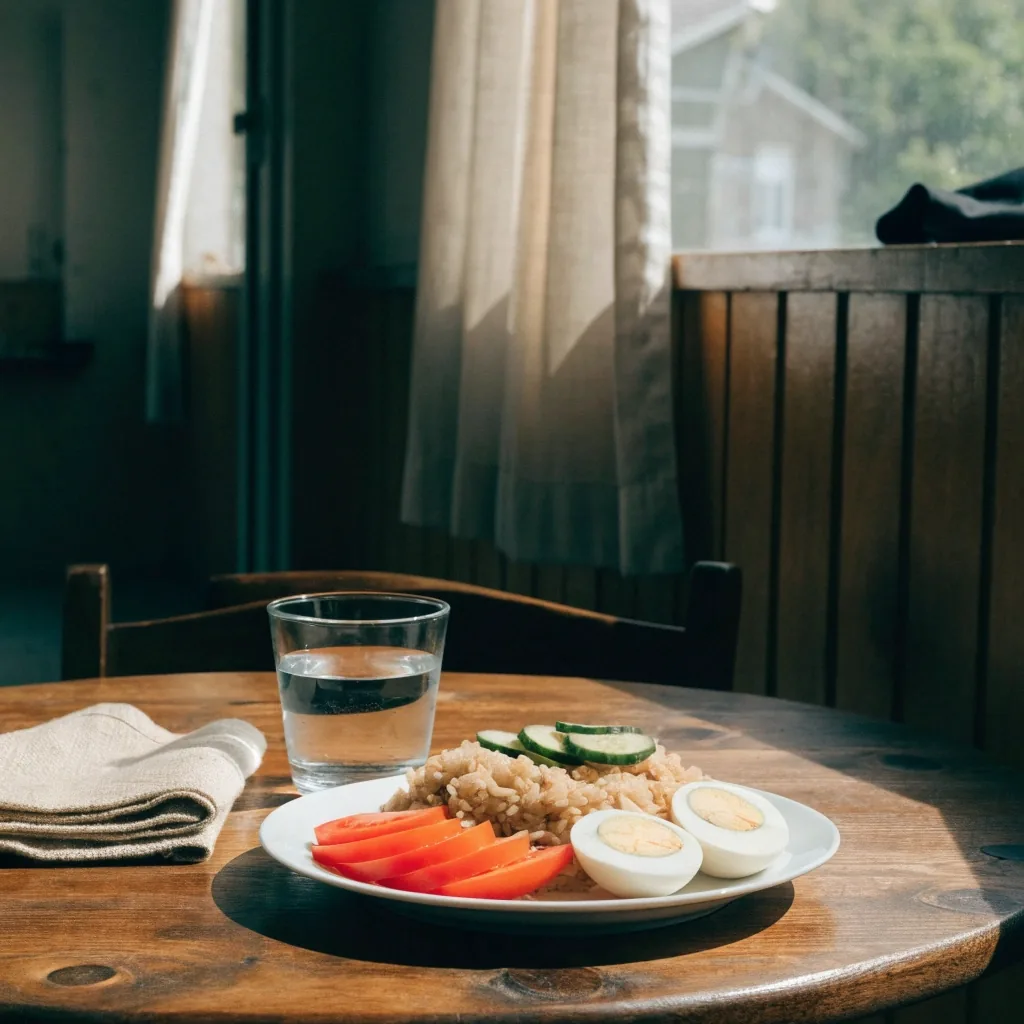
Focus areas the team prepares for most often: weight management, blood-sugar-related dietary changes, cholesterol and heart-friendly eating, pregnancy and postpartum guidance, child feeding and picky eating, and sports nutrition for gym or endurance goals.
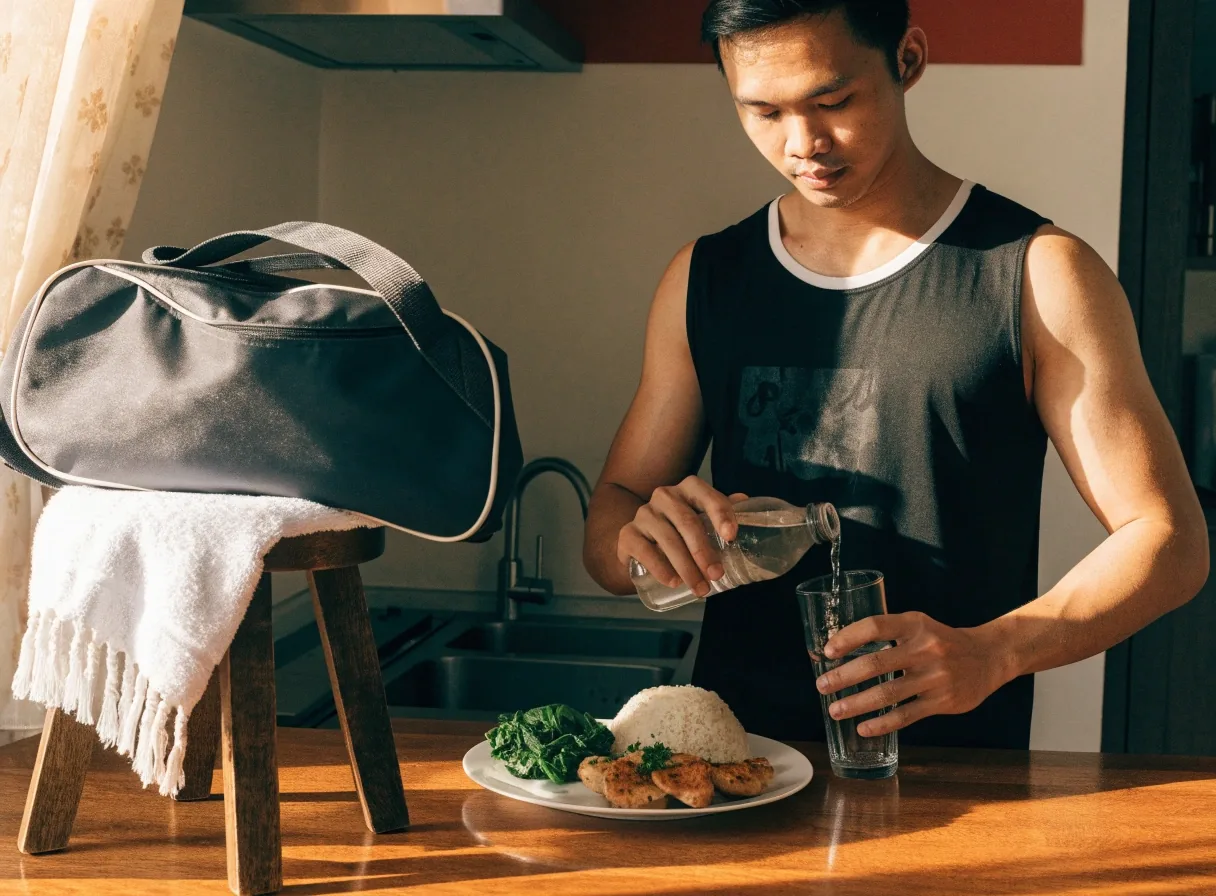
Athletes and regular gym-goers come to us with questions about protein timing, training-day carbs, and hydration in Indonesian heat. Sports nutrition sits alongside medical nutrition and life-cycle nutrition as a recognized specialization in the wider consultation market, which tells you demand is real.
Your dietitian works from your training schedule, not a template. If you lift four times a week and play futsal on Sundays, the week looks different from a marathon build.
Nutrition needs shift with age and stage. We ask about household meals because often you are cooking for more than one person, and a plan for a breastfeeding mother in Bandung is not the same as one for her father managing cholesterol.
Nutrient needs change through pregnancy and while breastfeeding. Sessions cover meals you already cook, plus what to keep an eye on while your appetite and routine shift.

Practical swaps for vegetables at dinner, how much to offer, and how to keep school-lunch food simple enough to actually pack.
How to spread protein across the day for parents and grandparents, using fish, eggs, tofu, tempeh, and chicken that are easy to chew and easy to cook in a household kitchen.
A meal plan is only useful if you can shop for it locally. We build around rice, noodles, tempeh, tofu, eggs, fish, chicken, leafy greens such as kangkung and spinach, and fruit that is actually in season. Cooking oil, sugar in drinks, and snack habits get addressed honestly.
You will not be handed a list of imported ingredients you cannot find at your neighborhood market. Portions come as familiar measures: one plate of rice, one palm-sized piece of fish, a bowl of greens cooked the way your family already cooks them.
Some eating patterns interact with everyday products people already use, including supplements and prescription medicines. Our food and nutrient interaction notes explain this in plain language so you can raise informed questions during consultation.
We do not adjust medication and we do not replace your doctor. We flag what is worth asking about, and you bring it to the professional who prescribes. If you take a daily supplement, bring the actual container to the conversation so the label can be read in full.
This is for adults and families in Indonesia who want English-language nutrition consultation without traveling to a hospital dietitian desk. It suits people who have tried an app's calorie counter and found it too rigid, and people who want structure over months rather than a single lecture.
If you need clinical treatment for an eating disorder or a complex medical condition, a hospital setting is the right place, and we will say so. That honesty is part of the service, not a gap in it.
Dietetics tutoring marketplaces sell hourly lessons, which is a different product: you learn principles, you apply them yourself. Catering services sometimes bundle a short free consultation to help you choose a meal subscription.
NutriGuide sits between those models. You get a registered dietitian's time, a personalized plan, and follow-up built around your own cooking, not a catering menu or a classroom.
Most people need more than one conversation, because habits shift slowly and life interrupts.
Follow-up sessions keep your history in one place
After the first session you receive written notes and a plan with portions and swaps. Follow-up sessions check what worked and adjust what did not. Most people need more than one conversation, because habits shift slowly and life interrupts.
Your dietitian keeps your history, so you are not repeating your story each time. Notes stay in English, and you can add short updates between sessions so the next slot starts from what actually happened.
All consultations are in English, which suits expatriates, mixed-language households, and Indonesians who prefer working in English. You can book from anywhere with a stable connection.
Registration for online consultation
Have your intake form submitted at least a day ahead so the dietitian can read it before the slot. Note roughly what you ate yesterday and how much water you drank. List any supplements or medicines you take, even the ones you think are irrelevant.
Bring one realistic goal and one obstacle you already know about, such as late office dinners or sweet iced drinks on the commute. That preparation turns a 45-minute session into something you can act on the same evening.
Sessions are consultations with a registered dietitian. They do not replace medical care, diagnosis, or treatment, and they are not a prescription service.
Short answers to the practical ones. If your situation is not covered, write to us or bring it to the intake form and the team will follow up.
Frequently asked questionsYou complete the intake form, the team matches you with a dietitian, you confirm a slot, and you receive payment details by invoice or bank transfer. Your first session then runs by video call or chat, and you leave with written notes and a plan.
If you have a medical condition, are pregnant, or take prescription medication, a registered dietitian is the safer first contact. For general healthy eating, either can help. Our team is built around registered dietitians, and we will tell you if your situation needs a hospital setting instead.
Rough notes on a typical day of eating, your activity level, any supplements or medicines, and one clear goal. You do not need to weigh food or count calories before the form.
Yes. All sessions are conducted in English, and the intake form is in English. Many of our clients are in Jakarta, Surabaya, Bandung, Bali, and Yogyakarta.
Weight management, sports nutrition and training-day fueling, pregnancy and postpartum eating, child feeding, cholesterol and blood-sugar-related dietary changes, and general balanced eating.
Yes, WhatsApp is widely used alongside forms and video calls, and it is often the fastest way to ask a preliminary question. We use it for coordination, but the intake form remains the formal start of your consultation.
Fill in the intake form and the team matches you to a dietitian whose focus fits your goal. Sessions run in English by video call or chat, anywhere in Indonesia.
Nutrition consultations support everyday eating changes. They are not medical treatment and do not replace advice from your doctor or another qualified professional.